
"acidity levels"
20000 article(s) found

Introduction of Coffee Bean Grinding scale Variety treatment method in Xida Motede Manor, Ethiopia
Unlike ordinary African coffee, Sidamo has clear acidity, smooth taste and delicate floral smell. Washing Sidamo is elegant and playful. The entrance is mild and pleasant, with a strong taste impact with the bright lemon acid later on. The palate is unique and mellow, with a chic and pleasant aftertaste. The slowly rising finish contains chic sweetness. Coffee and raw beans are grayish

Balanced acidity and fragrant Ecuadorian coffee introduces the San Cristobal Galapagos group.
St. Cristobal is a larger island in the Galapagos archipelago. At 410m above sea level, there is a small lake called El.Junco, which forms streams along the rocks and volcanic rocks on the southern slope of the island. Mineral-rich fresh water moistens the land of St. Cristobal, keeping the soil moist and fertile. For here.

Ethiopian Coffee producing areas distribute Ethiopian Coffee beans stories Ethiopian Coffee
Professional coffee knowledge exchange more information on coffee beans Please follow the coffee workshop (Wechat official account cafe_style) Coffee first discovered that the Kafa continent in southern Ethiopia was located in the place name Kaffa, and it was not officially named after Coffee until the 18th century. The geographical environment of Ethiopia is very suitable for coffee growth. nowadays, coffee is mainly grown between 1100 meters and 2000 meters above sea level.

You're welcome-if cherry powder is sweet, how to drink coffee powder?
You're welcome-if cherry powder is sweet, how to drink coffee powder? Use beans: Kenya AA Top Muya is a recent favorite of Kenya. if you make it well, the sweet feeling of cranberry acid + tangerine is very distinct, change your impression that Kenya is sour, use a filter cup: be polite-if cherry powder is more polite than Hario v60, which enhances aroma and acidity, the flow rate is slightly slower but with fruit.

Ethiopian Coffee Flavor and Taste introduction of fine coffee beans in Ethiopian coffee producing areas
Coffee is Ethiopia's most important export cash crop and the main source of Ethiopia's foreign exchange earnings. Ethiopia's coffee exports account for about 3% of the world market, making it the eighth largest coffee exporter in the world. Coffee exports increased steadily from 58000 tons in 1990 to 110000 tons in 1995-1996 and remained at this level in the following years. 2001-2002

Introduction to the flavor of Ecuadorian coffee with balanced acidity and fragrant flavor
St. Cristobal is a larger island in the Galapagos archipelago. At 410m above sea level, there is a small lake called El.Junco, which forms streams along the rocks and volcanic rocks on the southern slope of the island. Mineral-rich fresh water moistens the land of St. Cristobal, keeping the soil moist and fertile. For here.

Description of Ecuadorian Coffee Flavor with balanced acidity; introduction to the producing areas of fine coffee beans
St. Cristobal is a larger island in the Galapagos archipelago. At 410m above sea level, there is a small lake called El.Junco, which forms streams along the rocks and volcanic rocks on the southern slope of the island. Mineral-rich fresh water moistens the land of St. Cristobal, keeping the soil moist and fertile. For here.

Introduction to Coffee Flavor and Taste characteristics of Xida Motede Manor in Ethiopia
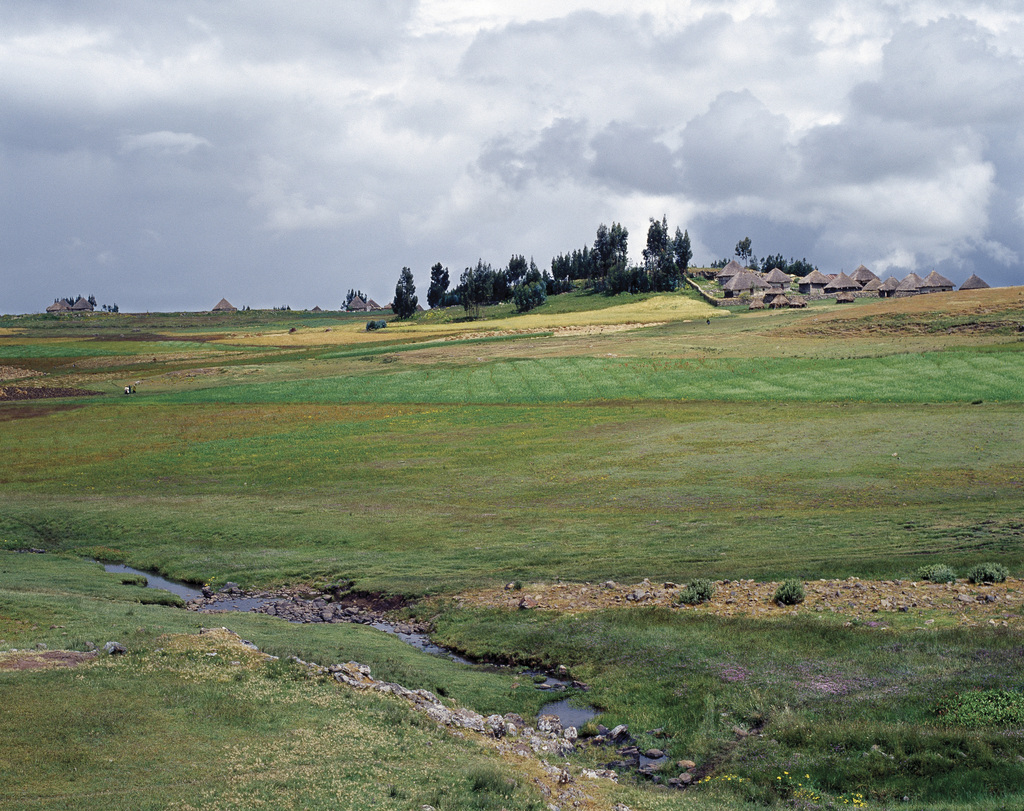
There are mainly mountain plateaus in Ethiopia, and the central and western regions are the main part of the plateau, accounting for 2% of the whole territory. The East African Rift Valley runs through the whole territory, with an average elevation of nearly 3000 meters, which is known as the roof of Africa. The terrain around the plateau is gradually declining. The Darol depression in the north fell to 113 meters below sea level, the lowest point in the country. A narrow banded plain along the coast of the Red Sea

Introduction of Ecuadorian Coffee Flavor Coffee Flavor Coffee in Ecuador with balanced acidity
St. Cristobal is a larger island in the Galapagos archipelago. At 410m above sea level, there is a small lake called El.Junco, which forms streams along the rocks and volcanic rocks on the southern slope of the island. Mineral-rich fresh water moistens the land of St. Cristobal, keeping the soil moist and fertile. For here.
Flavor evaluation of Ethiopian coffee beans Starbucks Ethiopian varieties of coffee beans
Ethiopia is one of the major producers of Arabica coffee in Africa, producing the best Arabian coffee in the world. It is said that coffee was first discovered by shepherds in Essekafa, and the name of coffee evolved from Kafa, so Essex is still the hometown of coffee. The geographical environment of coffee production and processing is very suitable for coffee growth. Coffee is mainly cultivated.

The hometown of coffee-Ethiopia
Ethiopia is one of the major producers of Arabica coffee in Africa, producing the best Arabian coffee in the world. It is said that coffee was first discovered by shepherds in Essekafa, and the name of coffee evolved from Kafa, so Essex is still the hometown of coffee.

Ethiopian Coffee Flavor and Taste introduction of fine coffee beans in estates of Ethiopian coffee producing areas
Coffee is Ethiopia's most important export cash crop and the main source of Ethiopia's foreign exchange earnings. Ethiopia's coffee exports account for about 3% of the world market, making it the eighth largest coffee exporter in the world. Coffee exports increased steadily from 58000 tons in 1990 to 110000 tons in 1995-1996 and remained at this level in the following years. 2001-2002

Distribution of Ethiopian Coffee production how to make good Coffee in Ethiopia
Professional coffee knowledge exchange more information on coffee beans Please follow the coffee workshop (Wechat official account cafe_style) Coffee first discovered that the Kafa continent in southern Ethiopia was located in the place name Kaffa, and it was not officially named after Coffee until the 18th century. The geographical environment of Ethiopia is very suitable for coffee growth. nowadays, coffee is mainly grown between 1100 meters and 2000 meters above sea level. Now

Ethiopian coffee beans
Ethiopia (Ethiopia) is one of the major producers of Arab coffee beans in Africa, producing the best Arab mocha beans in the world. It is said that coffee beans were first discovered by shepherds in the Kafa region of Ethiopia, and the name of coffee evolved from Kafa, so Ethiopia is still the hometown of coffee. Production and processing of coffee beans in Ethiopia

Ethiopian Coffee Flavor Flavor Manor introduces Ethiopian Coffee varieties
Washed coffee accounts for 35% of exports. Good quality washed coffee is processed with freshly picked fully ripe fruit, picked carefully and closely monitored by professionals. The picked clean coffee beans are pulped on the day of picking, then fermented, washed, dried and peeled. The humidity of processed coffee beans is kept at about 12%. Sun-cured coffee accounts for 65% of exports. Mainly by

Recommendation of boutique coffee manor; detailed analysis and introduction of coffee beans in Ethiopia (mocha)
Ethiopia's coffee exports account for about 3% of the world market and are the world's eighth largest coffee exporter. Coffee exports increased steadily from 58000 tons in 1990-91 to 110000 tons in 1995-96 and remained at this level in the following years. The export volume exceeded 110000 tons in 2001-2002 and reached 127000 in 2002-2003.

Ethiopian Coffee-Wash Coffee Yerga Sherfi Flavor Introduction
Yirgacheffe Coffee has a strong floral flavor. Washed Yerga Sherfi is one of the world's finest high quality coffee, with soft acidity and rich body. Top and Bebeka coffee, low in acidity but high in body, is an indispensable member of the blend coffee. Grade of Ethiopian coffee: Ethiopian washed coffee Ye Jia Xue Fei G1 G2 West Damo (Yi

Introduction to the characteristics of flavor description of Ethiopian coffee manor with full alcohol thickness
In the fifties and sixties of this century, many African countries became independent one after another and adopted green, yellow and red as the colors of the national flag, so they were called pan-African colors. Ethiopia is one of the ancient countries in Africa, with a long history of more than 3000 years, giving green, yellow and red colors deeper roots in this land. Historically, they are closely related to the liturgy of the Coptic church.

The wild taste of Ethiopia Xiachisuo coffee production area planting market environment brief introduction
Washed Yerga Sherfi is one of the world's finest high quality coffee, with soft acidity and rich body. Top and Bebeka coffee, low in acidity but high in body, is an indispensable member of blended coffee. Ethiopian washed coffee Yirgacheffe G1 G2 Sidamo. The highest grades are Grade II and Grade III (G2, G3). Sun-processed in eastern Ethiopia.
Ethiopian coffee beans
Ethiopia (Ethiopia) is one of the major producers of Arab coffee beans in Africa, producing the best Arab mocha beans in the world. It is said that coffee beans were first discovered by shepherds in the Kafa region of Ethiopia, and the name of coffee evolved from Kafa, so Ethiopia is still the hometown of coffee. Production and processing of coffee beans in Ethiopia